Jjimjilbang 101: a first-timer's guide to Korean saunas
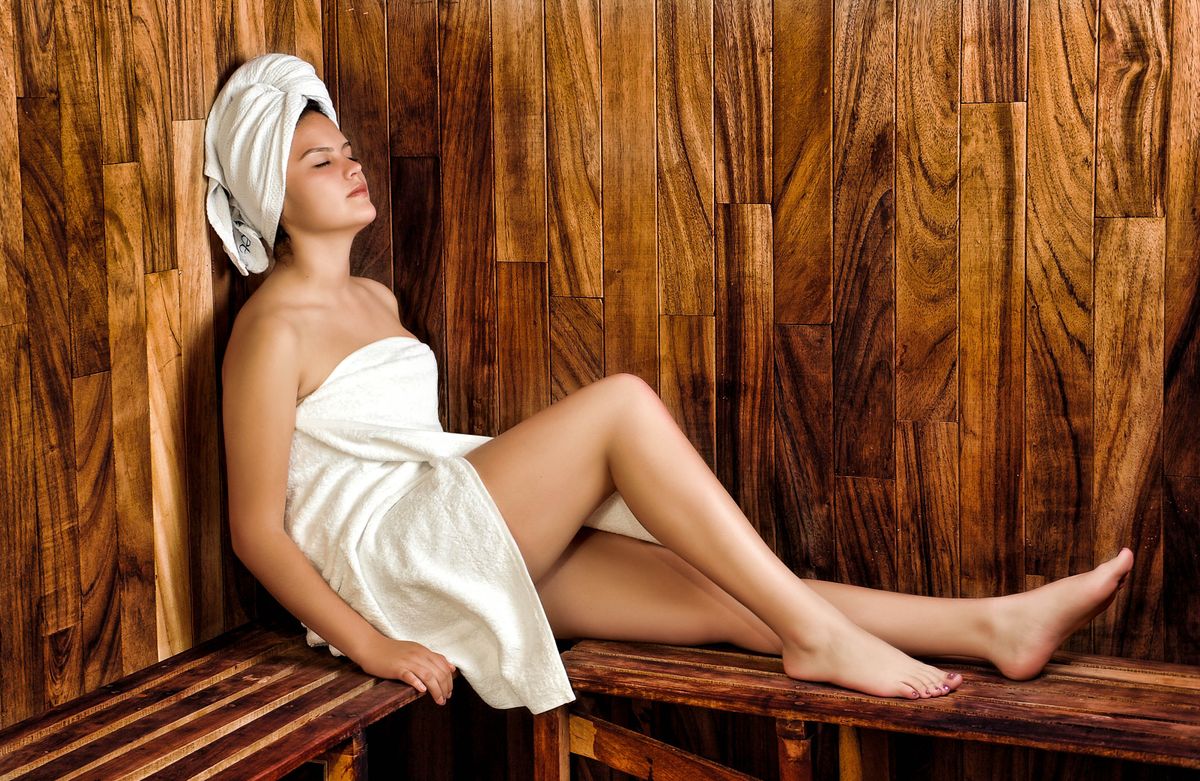
A jjimjilbang (찜질방) is a Korean bathhouse-plus-sauna complex — part spa, part living room, part budget hotel. Families nap on heated floors, friends eat baked eggs in pajama-style uniforms, and travelers use them as the cheapest comfortable overnight stay in the country. It is one of the most "Korean" experiences you can have, and completely beginner-friendly once you know the flow.
The two zones (and what you wear in each)
- Bath zone (mogyoktang) — gender-separated hot tubs, cold plunges and scrub stations. No clothing, no swimsuit — everyone is naked, nobody cares. This is the part first-timers fear and then forget about within five minutes.
- Common zone (jjimjil area) — mixed-gender lounge with themed sauna rooms (salt, clay, ice room), heated floors, snack bar, TVs. Everyone wears the cotton uniform (T-shirt + shorts) handed to you at the entrance, so it's fully family-friendly.
Step by step: your first visit
- 1. Pay at the counter — typically around ₩10,000–20,000 depending on the city and how fancy the place is (large premium spas charge more, and overnight entry usually adds a surcharge). You get a wristband key and the uniform.
- 2. Shoe locker first — shoes come off at the entrance; the small key/band opens your shoe locker.
- 3. Clothes locker — in the gender-separated changing room. Everything (including the uniform, for now) goes in.
- 4. Shower before the tubs — this is the one non-negotiable rule. Wash thoroughly at the seated shower stations before entering any tub.
- 5. Soak, then explore — rotate between hot tubs, the cold bath, and steam rooms. When you're done, dry off, put on the uniform, and head to the common zone.
- 6. Snack like a local — the classic set: baked eggs (maekbanseok gyeran) and sikhye, a sweet rice drink. Most snack bars charge your wristband; you settle up at checkout.
Etiquette that actually matters
- Shower first, always. Entering a tub unwashed is the one real offense.
- No phones in the bath zone — cameras and locker rooms don't mix. Photos in common areas: ask or avoid.
- Keep voices low in the bath zone; the common zone is more relaxed.
- Long hair tied up in the tubs.
- Tattoos: generally fine at most city jjimjilbangs these days, though a few facilities (especially pools/gyms attached) may have their own rules — small ones almost never draw attention.
The scrub: bath culture's boss level
Inside the bath zone you'll see a corner with padded tables — that's the seshin (body scrub) station, usually around ₩25,000–40,000. A no-nonsense professional in black underwear exfoliates years off your skin with rough mitts. It's not gentle, it's not private, and it's fantastic. Pay at the station or with your wristband; a small queue board or just pointing works fine.
Sleeping overnight: Korea's original budget stay
Most large jjimjilbangs are open 24 hours, and the overnight fee (entry + night surcharge) is usually far cheaper than any hotel. You sleep on the heated floor of the common hall with a wooden-block or cloth pillow — bring earplugs, since snoring is part of the atmosphere. It's a legitimate backup plan for missed trains, late flights, or a night between cities. For regular accommodation, see our where-to-stay guide.
Where to try one
- Seoul: large 24-hour spa complexes cluster around major stations and Han River districts — any place labeled 찜질방 or "spa" with a big building will do the job.
- Busan: home to some of the largest bath complexes in Asia — many with sea views (see the Busan guide).
- Anywhere: neighborhood jjimjilbangs are everywhere and cheaper — less flashy, same eggs.