Jjimjilbang 101: a first-timer's guide to Korean saunas
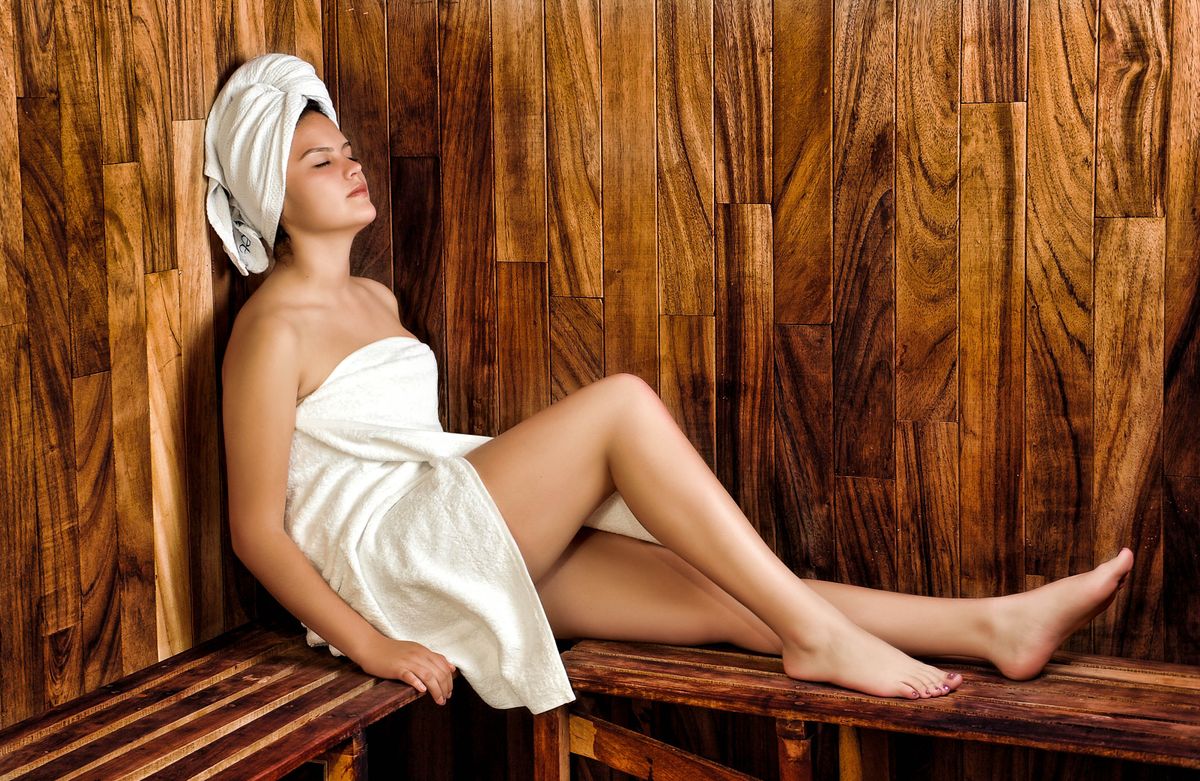
A jjimjilbang (찜질방) is a Korean bathhouse-plus-sauna complex — part spa, part living room, part budget hotel. Families nap on heated floors, friends eat baked eggs in pajama-style uniforms, and travelers use them as the cheapest comfortable overnight stay in the country. It is one of the most "Korean" experiences you can have, and completely beginner-friendly once you know the flow.
The two zones (and what you wear in each)
- Bath zone (mogyoktang) — gender-separated hot tubs, cold plunges and scrub stations. No clothing, no swimsuit — everyone is naked, nobody cares. This is the part first-timers fear and then forget about within five minutes.
- Common zone (jjimjil area) — mixed-gender lounge with themed sauna rooms (salt, clay, ice room), heated floors, snack bar, TVs. Everyone wears the cotton uniform (T-shirt + shorts) handed to you at the entrance, so it's fully family-friendly.
Step by step: your first visit
- 1. Pay at the counter — typically around ₩10,000–20,000 depending on the city and how fancy the place is (large premium spas charge more, and overnight entry usually adds a surcharge). You get a wristband key and the uniform.
- 2. Shoe locker first — shoes come off at the entrance; the small key/band opens your shoe locker.
- 3. Clothes locker — in the gender-separated changing room. Everything (including the uniform, for now) goes in.
- 4. Shower before the tubs — this is the one non-negotiable rule. Wash thoroughly at the seated shower stations before entering any tub.
- 5. Soak, then explore — rotate between hot tubs, the cold bath, and steam rooms. When you're done, dry off, put on the uniform, and head to the common zone.
- 6. Snack like a local — the classic set: baked eggs (maekbanseok gyeran) and sikhye, a sweet rice drink. Most snack bars charge your wristband; you settle up at checkout.
Etiquette that actually matters
- Shower first, always. Entering a tub unwashed is the one real offense.
- No phones in the bath zone — cameras and locker rooms don't mix. Photos in common areas: ask or avoid.
- Keep voices low in the bath zone; the common zone is more relaxed.
- Long hair tied up in the tubs.
- Tattoos: generally fine at most city jjimjilbangs these days, though a few facilities (especially pools/gyms attached) may have their own rules — small ones almost never draw attention.
The scrub: bath culture's boss level
Inside the bath zone you'll see a corner with padded tables — that's the seshin (body scrub) station, usually around ₩25,000–40,000. A no-nonsense professional in black underwear exfoliates years off your skin with rough mitts. It's not gentle, it's not private, and it's fantastic. Pay at the station or with your wristband; a small queue board or just pointing works fine.
Sleeping overnight: Korea's original budget stay
Most large jjimjilbangs are open 24 hours, and the overnight fee (entry + night surcharge) is usually far cheaper than any hotel. You sleep on the heated floor of the common hall with a wooden-block or cloth pillow — bring earplugs, since snoring is part of the atmosphere. It's a legitimate backup plan for missed trains, late flights, or a night between cities. For regular accommodation, see our where-to-stay guide.
Where to try one
- Seoul: large 24-hour spa complexes cluster around major stations and Han River districts — any place labeled 찜질방 or "spa" with a big building will do the job.
- Busan: home to some of the largest bath complexes in Asia — many with sea views (see the Busan guide).
- Anywhere: neighborhood jjimjilbangs are everywhere and cheaper — less flashy, same eggs.
Next: Etiquette & customs → · Seasons & packing →
What to bring (spoiler: almost nothing)
Jjimjilbangs are built so you can walk in off the street with empty hands. Towels and the uniform are handed to you, basic body wash and shampoo sit at most shower stations, and hair dryers, combs, and lotion wait in the changing room. If you're staying overnight, earplugs and a phone charger are the only upgrades genuinely worth carrying.
- Leave valuables at your hotel — the lockers are secure, but the less you bring, the less you have to think about.
- Contact lens wearers: bring a case. Hot dry rooms and steam are rough on lenses.
- A hair tie if you have long hair — you need one for the tubs anyway.
- Your own toiletries only if you're particular; buying small ones inside is easy and normal.
Pacing yourself: the hot–cold rhythm
The classic first-timer mistake is treating the hot rooms as an endurance contest. Locals cycle instead: a stretch in a hot room, then the ice room or a cool bench, then water, then repeat. That contrast is the whole point — it's what leaves you feeling scrubbed-new instead of wrung-out.
Drink water at every break, and skip the hottest rooms entirely if you've been drinking alcohol or feel off. If you get dizzy, sit down somewhere cool right away, and tell a staff member if it doesn't pass. Anyone with heart or blood-pressure conditions should keep heat sessions short and check with a doctor before going anywhere near the extreme rooms.
Timing your visit
- Weekday mornings and early afternoons are the quiet gold zone — mostly regulars, tubs nearly to yourself.
- Weekend afternoons bring families and the loudest, liveliest common halls. Great atmosphere, less serenity.
- Late night fills with overnighters — if you're sleeping there, claim a floor spot before midnight.
- After a long flight or a hiking day is the single best time to go. This is precisely what the place was invented for.
Solo, with friends, or with kids
Going alone is completely normal — plenty of locals treat a solo jjimjilbang trip as routine self-care, and nobody will look twice. With friends, remember the bath zone is gender-separated: mixed groups split up and reunite in the common area, so agree on a meeting time before you separate, since phones stay in the lockers.
Kids are welcome almost everywhere and tend to love the ice room and the baked eggs. Keep them from running on wet tile, and note that rules about young children entering a parent's bath side differ from place to place — a quick question at the counter settles it.
Frequently asked questions
Q. What is a jjimjilbang?
A jjimjilbang is a Korean bathhouse and sauna complex with hot and cold baths, sauna rooms, and a communal lounge area. Many are open 24 hours.
Q. Are jjimjilbang baths gender-separated?
Yes. The bathing areas, where you are nude, are separated by gender, while the sauna and lounge zones are shared and you wear the provided uniform.
Q. Can you sleep overnight in a jjimjilbang?
Yes. Sleeping in the communal lounge is common and makes jjimjilbangs one of Korea's cheapest overnight options.
Written and maintained by OPDADA (Korea) · Last reviewed August 2026 · Spotted an error? Let us know.