Korean Summer Survival: Monsoon, Heatwaves & Typhoons
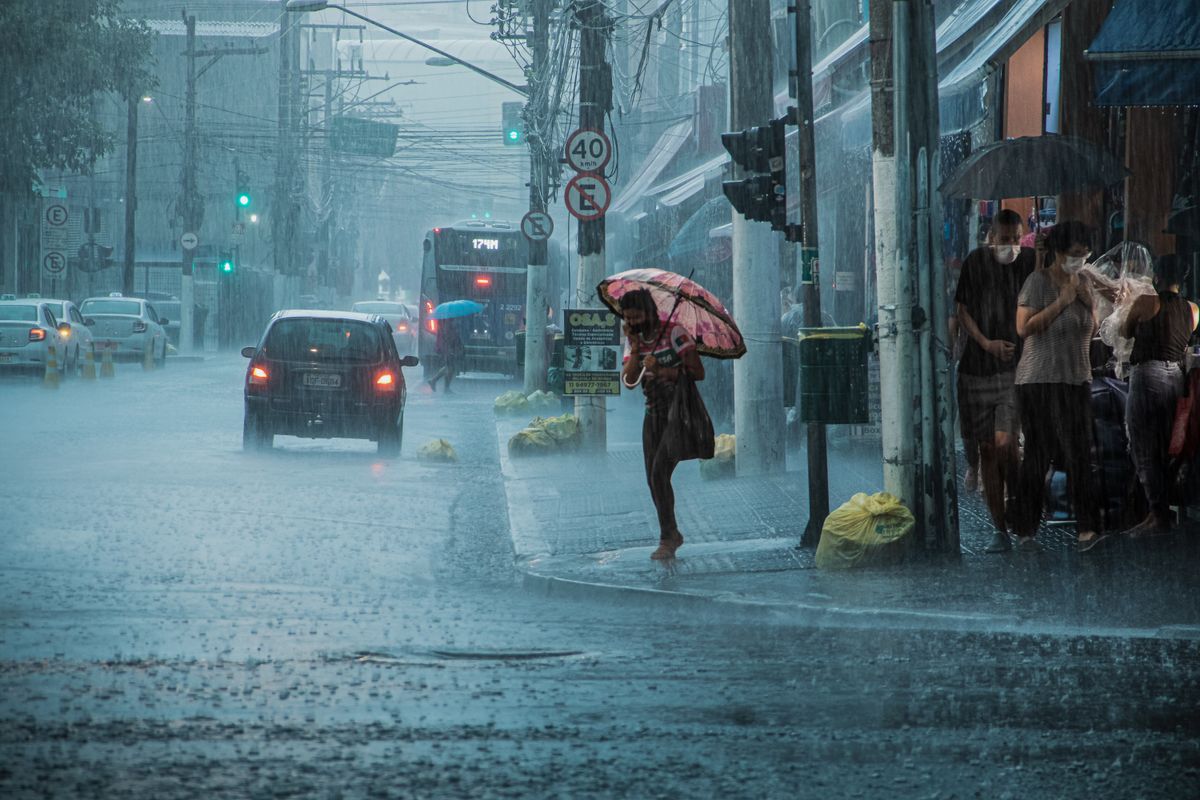
Korean summer is not one season — it is three, back to back: a rainy monsoon called jangma (장마), then a humid heatwave stretch, then typhoon season. If you know which phase you are landing in, packing and planning get much easier. Check today's conditions any time with our live weather & UV tool.
The three phases, month by month
| Phase | Typical timing | What it feels like |
|---|---|---|
| Jangma (monsoon) | Late June – late July | Bursts of very heavy rain, gray skies, ~24–29°C, everything damp |
| Peak heat | Late July – late August | 33–36°C with high humidity; "tropical nights" that stay above 25°C |
| Typhoon window | August – September | Mostly normal days, with 1–3 typhoons brushing the peninsula in a typical year |
Exact dates shift every year — the Korea Meteorological Administration (KMA) announces the start and end of jangma each season, so treat the table as planning ranges, not promises.
Jangma: how locals handle a month of rain
- Umbrella culture: nobody carries a raincoat in the city — a compact umbrella lives in every bag. Convenience stores sell them everywhere (around ₩7,000–15,000) the moment rain starts.
- Rain comes in bursts, not all-day drizzle. Radar apps matter more than daily forecasts — an hour of patience often beats a soaked afternoon.
- Shoes suffer most. Locals switch to sandals or quick-dry sneakers; leather shoes stay home.
- Dampness indoors: hotels and homes run dehumidifiers; if your room smells musty, ask the front desk for one.
The heatwave weeks: it's the humidity
- Plan outdoor sightseeing for before 11am or after 5pm; midday is for museums, malls and cafes (air conditioning is excellent almost everywhere).
- Subway stations and big marts double as free cool-down stops. Cities also run official "cooling shelters" (무더위쉼터) during heat warnings.
- Convenience-store summer kit: ion/electrolyte drinks, frozen water bottles, and cooling wipes — all a few thousand won.
- UV runs high on clear days: sunscreen is sold in every Olive Young and convenience store. Our weather tool shows the current UV index alongside the forecast.
Typhoons: watch, don't panic
Most typhoons weaken before reaching Korea or clip only the southern coast (Busan and Jeju feel them most). When one does approach, the pattern is predictable: KMA issues warnings a day or two ahead, ferries and some flights pause, and everyone stays indoors for the worst half-day. If a typhoon is forecast during your trip:
- Keep that day flexible — indoor plans, not day trips to islands or mountains.
- Check your airline's alerts; delays cluster on Jeju and southern routes.
- Emergency alerts arrive by loud phone broadcast (in Korean) — see our emergency & healthcare guide for what the numbers mean.
What to pack for a summer trip
- Compact umbrella (or buy on arrival) and one thin layer for icy air-conditioned interiors
- Quick-dry footwear during jangma weeks
- Sunscreen, hat and a refillable bottle for the heat weeks
- A power bank — you will lean on maps and radar apps more than usual
Next steps: check the pre-flight essentials, see what festivals run in summer, and if you are planning city-by-city, our sister site has a full seasons & packing guide.
Common first-timer mistakes in a Korean summer
Most summer trip problems here are planning problems, not weather problems. These are the ones visitors run into again and again:
- Trusting the morning sky. During jangma, a bright blue morning promises nothing about 3pm. Check the radar before you head out, not just the daily forecast, and glance again before any long walk between stations.
- Booking outdoor days back to back. Leave every second or third day loosely planned so you can shuffle activities around the rain instead of pushing through it soaked and miserable.
- Fighting the humidity instead of the heat. The thermometer matters less than how little your sweat evaporates. Slow your walking pace, ride the subway one extra stop instead of walking, and stop treating shade breaks as wasted time.
- Refusing to reset midday. On the worst days, locals change into a fresh shirt or duck home for a shower. If your hotel is central, a midday reset is a strategy, not a luxury.
- Writing off rainy days. Palaces and old neighborhoods are at their most photogenic in light rain, and nearly empty. Some of the best photos of the year happen mid-jangma.
The indoor-outdoor whiplash
Korean buildings run air conditioning hard in summer, so your body cycles between a steam bath outside and a fridge inside — sometimes a dozen times a day. Locals even have a word for feeling run-down from exactly this pattern, so if you feel oddly drained after a few days, it is not just you.
Plan around it rather than toughing it out. Alternate long outdoor blocks with long indoor blocks instead of ducking in and out every ten minutes, pull your thin layer on before buses and trains rather than after you are already chilled, and wipe off sweat before entering somewhere heavily cooled. If a scratchy throat shows up, ease off the schedule for a day — and if symptoms stick around, local clinics are quick and easy to visit.
Rainy-day plan B: swap, don't cancel
The real trick to jangma is deciding your swaps in advance, so a downpour costs you a decision instead of a day:
- Mountain or riverside walk → a museum morning, then an underground shopping arcade so you stay dry moving between stops.
- Outdoor market browsing → a covered traditional market; the food is the same and the roof does the work.
- Island or coastal day trip → push it to later in the trip and slot in a cafe-and-gallery neighborhood day instead.
- Evening stroll → rain here often pauses after a burst; wait it out over dessert and try again an hour later before canceling outright.
Make the swap early, before you are wet and grumpy. Nothing on that list is a downgrade — which is why flexible travelers often come home rating Korean summer far higher than the forecast suggested they would.
Frequently asked questions
Q. When is monsoon (jangma) season in Korea?
Jangma typically runs from late June to late July, bringing bursts of very heavy rain rather than all-day drizzle. Exact dates shift every year — the Korea Meteorological Administration announces the start and end each season, so treat the range as a planning guide.
Q. How hot does Korean summer actually get?
Peak heat runs from late July to late August, with days around 33–36°C, high humidity, and tropical nights that stay above 25°C. Locals plan outdoor time before 11am or after 5pm and spend midday in well air-conditioned museums, malls, and cafes.
Q. Should I worry about typhoons when visiting Korea?
The typhoon window is August–September, and in a typical year one to three typhoons brush the peninsula — most weaken before arrival, with Busan and Jeju feeling them most. Warnings come a day or two ahead, so keeping one flexible indoor day is usually enough.
Q. What should I pack for a summer trip to Korea?
A compact umbrella (or buy one at any convenience store on arrival), a thin layer for icy air-conditioned interiors, quick-dry footwear for the rainy weeks, sunscreen and a hat for the heat weeks, and a power bank — you'll lean on maps and radar apps more than usual. Check live conditions with the weather & UV tool.